
Gut-Brain Axis
What is the relationship between the gut and the brain?
4/22/2025
The Gut-Brain Axis: Understanding the Connection Between Your Gut and Mind
The gut-brain axis is a communication system between the gut and the central nervous system, primarily the brain. This relationship plays a crucial role in maintaining both physical and mental health. Increasing research has uncovered how the gut-brain axis influences mood, behavior, and various health conditions.
What is the Gut-Brain Axis?
At its core, the gut-brain axis consists of neural, hormonal, and immunological pathways that allow the gut and brain to communicate. The primary channels include:
The Vagus Nerve: The vagus nerve is one of the longest nerves in the body, extending from the brainstem to various organs, including the gut. It acts as a direct line of communication between the brain and the gastrointestinal system.
Gut Microbiota: The gut is home to trillions of microorganisms, known as the gut microbiota. These microorganisms play an essential role in digestion, but they also produce neurotransmitters such as serotonin and dopamine, which affect brain function.
Endocrine System: Hormones such as cortisol, produced by the endocrine system, influence the gut's activity. For example, stress can trigger the release of cortisol, which may disrupt digestion and gut health, affecting mood and cognition.
Immune System: Inflammation in the gut can lead to systemic inflammation, which has been linked to mental health issues like depression and anxiety. The immune system acts as another way through which gut health impacts the brain.
The Role of Gut Microbiota
One of the most interesting discoveries in recent years is the influence of gut microbiota on the brain. The gut microbiota produces several substances that affect brain function, including short-chain fatty acids, neurotransmitters, and other bioactive compounds.
About 90% of the body’s serotonin, a key neurotransmitter that regulates mood, sleep, and digestion, is produced in the gut. This has led researchers to propose that an imbalance in gut bacteria, also called dysbiosis, could contribute to mental health disorders. Studies have shown that individuals with some mental health disorders often exhibit altered gut microbiomes compared to healthy individuals.
Dysbiosis may contribute to mental health issues like depression and anxiety. Inflammation in the gut, triggered by dysbiosis, can increase stress hormones and reduce the production of important neurotransmitters.
Stress and the Gut-Brain connection
Chronic stress can also impact gut health by altering its microbiota and increasing gut permeability, often referred to as "leaky gut." This can lead to systemic inflammation and potentially contribute to mood disorders. Reducing stress could have a significant impact on gut health and here are some practical tips that may help
· Mindfulness: Regular mindful meditation can be shown to reduce symptoms of stress and so trying to build in a practice can be very helpful. However, there are also other ways to incorporate mindfulness; for example, you could take a walk in nature and notice the sights and sounds around you.
· Breathing exercises: Another way to try and soothe your nervous system and reduce stress is to try deep breathing exercises. Deep breathing through the diaphragm activates the vagus nerve so can promote relaxation and improved digestive system. Try box breathing; inhale for 4 seconds, hold for 4 seconds, exhale for 4 seconds and hold for 4 seconds.
· Physical Exercise: Physical movement, especially walking, yoga, and low intensity exercises, stimulates the gut’s natural motility. Aim for at least 30 minutes of movement each day to help release endorphins and relieve tension.
· Sleep: Poor sleep can heighten stress and disrupt gut health. Try to get 7-8 hours of quality sleep by maintaining a regular sleep routine, creating a relaxing bedtime ritual, and limiting screen time before bed.
· Journalling/Talking: Writing down your thoughts or speaking with someone supportive can help you manage your stress. This emotional release can have positive effects on both mental and gut health, as it eases the stress held in the body.
The gut-brain axis may also play a role in cognitive functions such as memory and learning. Some researchers suggest that improving gut health could even have benefits for neurodegenerative diseases like Alzheimer's and Parkinson's.
Food and the Gut-Brain Connection
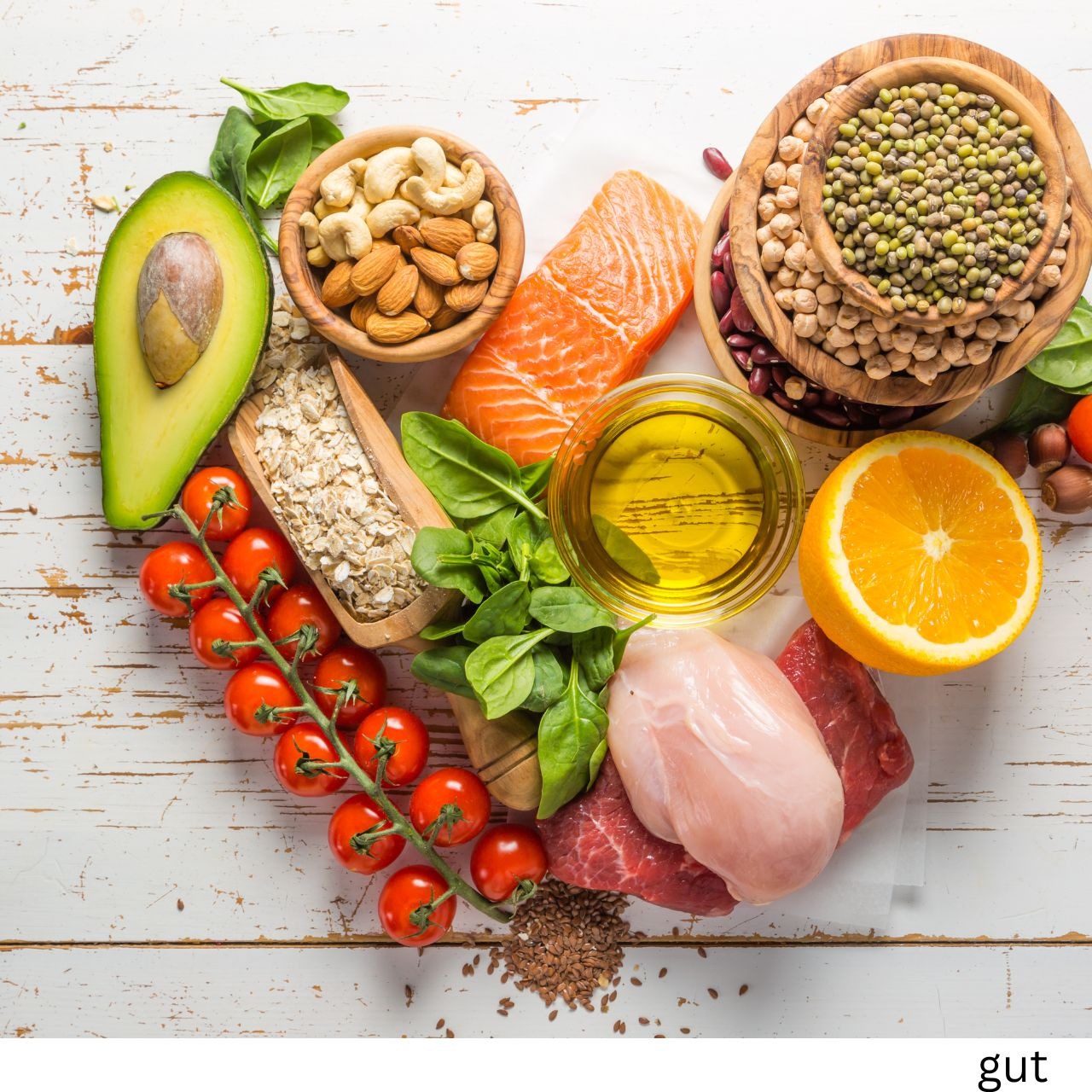
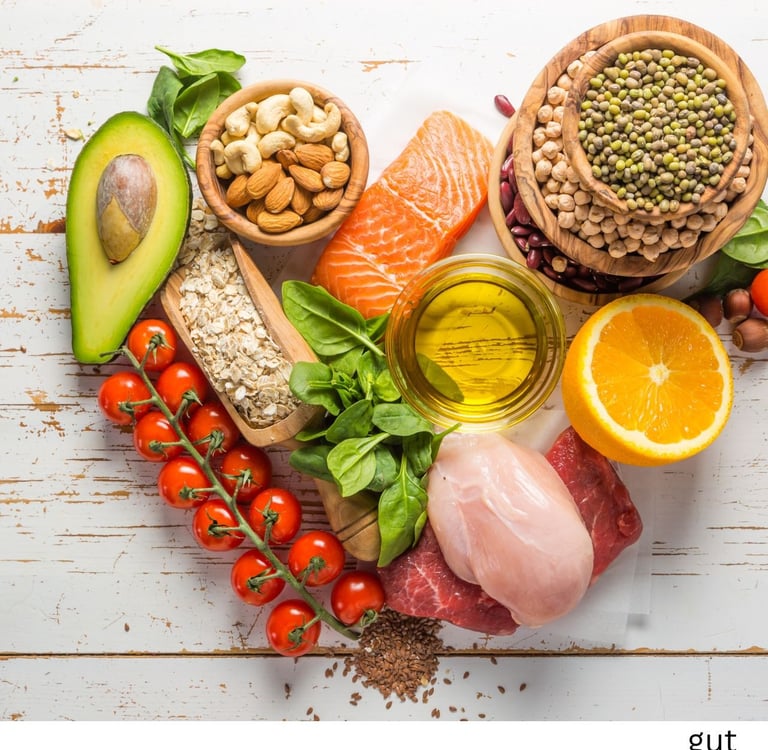
Diet has a profound impact on the gut microbiome, which in turn affects the gut-brain axis. Probiotics, which are found in fermented foods like yogurt, sauerkraut, and kimchi, can introduce beneficial bacteria into the gut. Prebiotics, found in foods like garlic, onions, and bananas, nourish these beneficial bacteria.
Studies have also shown that diets rich in fiber, whole grains, vegetables, and omega-3 fatty acids promote a healthy gut microbiome. In contrast, diets high in processed foods, sugar, and unhealthy fats can disrupt the gut microbiota, negatively affecting mental health.
The Future of Gut-Brain Axis Research
Ongoing research into the gut-brain axis is exploring how gut health interventions, such as probiotics, prebiotics, and dietary changes, might improve mental health. Additionally, therapies like fecal microbiota transplantation, which involves transplanting healthy bacteria from a donor into a patient's gut, are being studied as potential treatments for various conditions, including depression and irritable bowel syndrome
Conclusion
The gut-brain axis is a fascinating area in our understanding of health, illustrating how close the mind-body connection really is. As research progresses, it becomes clearer that maintaining a healthy gut through diet, lifestyle, and stress management may also support mental health. This opens new avenues for holistic approaches to treating both physical and psychological conditions
References
Cryan, J. F., & Dinan, T. G. (2012). Mind-altering microorganisms: the impact of the gut microbiota on brain and behaviour. Nature Reviews Neuroscience, 13(10), 701-71
Dinan, T. G., & Cryan, J. F. (2017). Gut instincts: microbiota as a key regulator of brain development, ageing and neurodegeneration. The Journal of Physiology, 595(2), 489-503.
Goyal, M., et al. (2014). "Meditation programs for psychological stress and well-being: a systematic review and meta-analysis." JAMA Internal Medicine, 174(3), 357–368.
Schneider, E., O’Riordan, K. J., Clarke, G., & Cryan, J. F. (2024). Feeding gut microbes to nourish the brain: unravelling the diet–microbiota–gut–brain axis. Nature Metabolism. https://doi.org/10.1038/s42255-024-01108-6
Wallace, C. J. K., & Milev, R. (2017). The effects of probiotics on depressive symptoms in humans: a systematic review. Annals of General Psychiatry, 16(1). https://doi.org/10.1186/s12991-017-0138-2

For Immediate Support
If you or someone you know is at risk and needs immediate help, please contact the following agencies (all operating 24 hours daily) instead.
For suicidal thoughts or self-hurt and mental health crises:
Samaritans of Singapore (SOS) at 1-767
Text Samaritans of Singapore (SOS) CareText 9151 1767 via WhatsApp
Institute of Mental Health (IMH) at 6389 2222
For concerns of violence committed against you or someone, or child/adult protection issues:
National Anti-Violence and Sexual Harassment Helpline (NAVH) at 1800-777-0000
© 2025. All rights reserved.