Women in Male Dominated Industries
Challenges, Wellbeing and the Future
4/16/2025
Women in Male-Dominated Industries: Challenges, Well-Being, and the Future
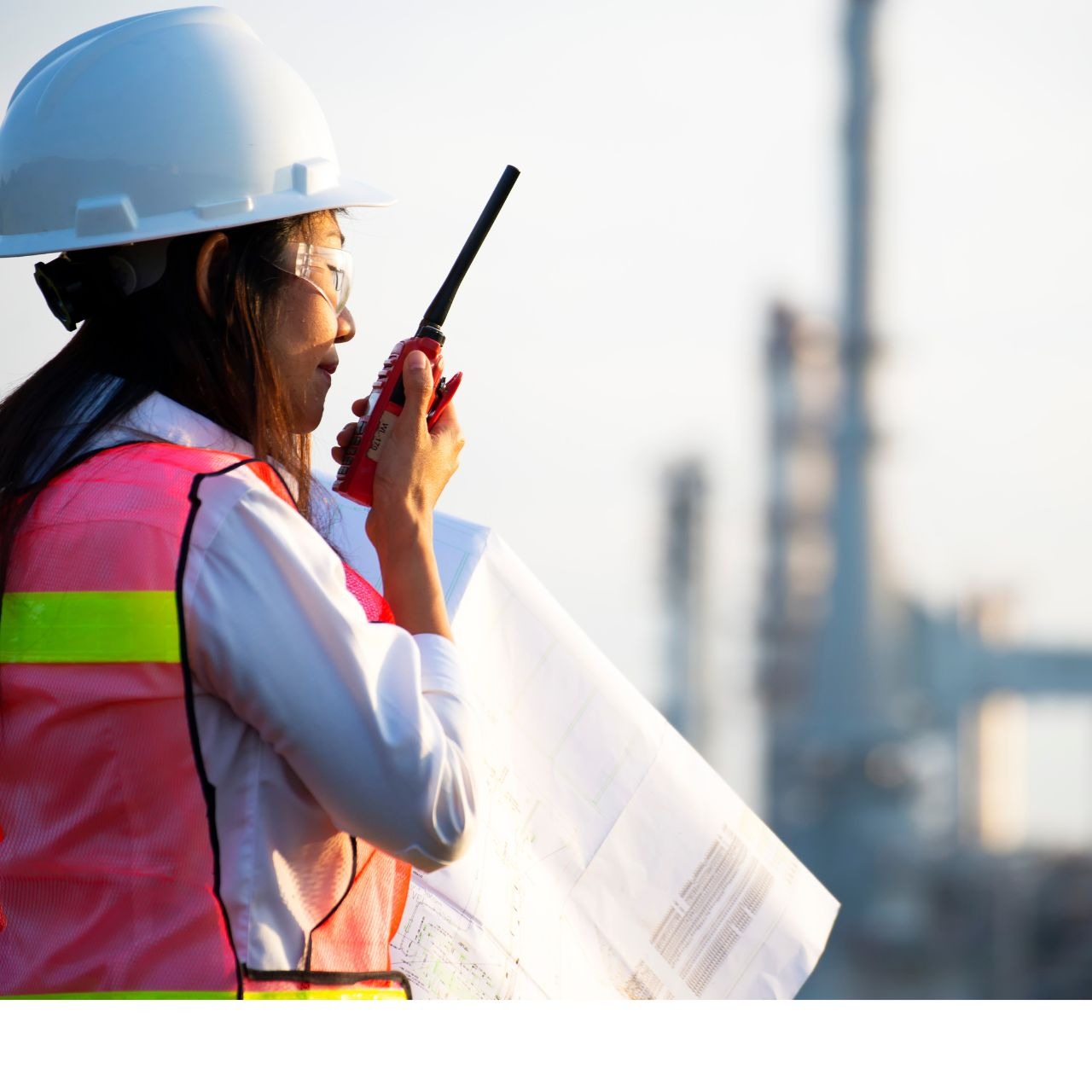
In industries such as engineering and technology, women remain underrepresented despite growing importance on the value of gender diversity. These male-dominated fields present unique challenges for women, ranging from workplace bias to a lack of support for mental health and well-being. This article explores the barriers women face in these sectors, highlights the importance of their well-being, and provides strategies for encouraging a more inclusive and supportive environment.
The Current State of Gender Diversity in Engineering and Technology
Despite initiatives aimed at improving gender diversity, women remain a minority in engineering and technology roles. According to the World Economic Forum (2023), women make up only 28% of the global STEM workforce and an even smaller percentage in engineering (15%) and information technology (20%)
These disparities begin early, with societal stereotypes discouraging girls from pursuing STEM (Science, Technology, Engineering and Mathematics) education and careers. Once in the workforce, women face a range of challenges that impact both their professional growth and personal well-being.
Challenges Impacting Women in Male-Dominated Industries
Workplace Bias and Discrimination
Women in male-dominated fields often experience implicit and explicit bias, such as microaggressions, unequal pay, and fewer opportunities for career advancement. Despite efforts toward gender equality, stereotypes and systemic barriers persist, hindering women's career advancement (Rubin et al, 2019)
Imposter Syndrome
Imposter syndrome, feeling unqualified being able and accomplished, is more common among women in environments where they are underrepresented. This phenomenon can lead to increased stress, self-doubt, and reluctance to pursue leadership roles (Ling et al, 2020)
Work-Life Balance Pressures
Women often face greater societal expectations to balance work and caregiving responsibilities. The lack of flexible work policies in many engineering and tech companies exacerbates stress and makes it harder for women to thrive in these industries (Blau & Kahn, 2017).
Isolation and Lack of Mentorship
Being one of the few women in a team or organization can lead to feelings of isolation. The scarcity of female mentors in senior positions further limits guidance and support for women navigating these fields.
The Importance of Well-Being
The challenges women face in male-dominated industries have significant implications for their mental health and overall well-being. Long-term exposure to bias, isolation, and workplace stress can lead to burnout, depression, and anxiety (Maslach & Leiter, 2016). Organizations must prioritize the well-being of their female employees to foster an inclusive and sustainable workforce.
Key Factors Affecting Well-Being
Psychological Safety
A lack of psychological safety—where employees feel unable to voice concerns or take risks without fear of negative consequences—can lead to heightened stress and reduced engagement (Edmondson, 2019).
Workplace Stress and Burnout
The high-pressure nature of engineering and technology roles, combined with gender-specific challenges, increases the risk of burnout among women.
Gender Pay Gap
Disparities in pay contribute to financial stress and feelings of undervaluation, further eroding well-being.
Strategies for Supporting Women’s Well-Being
Diversity and Inclusion Programs
Companies should implement strong diversity and inclusion initiatives that address unconscious bias, support mentorship programs, and ensure gender parity in hiring and promotions. A good example of this is the company ‘Intel’ which has committed to achieving gender parity in its workforce by 2030 (Sarahrudge, 2024). The company’s comprehensive approach includes bias training, mentorship programs, and transparency in hiring practices.
Flexible Work Policies
Flexible work arrangements, including remote work and adjustable hours, help women balance professional and personal responsibilities.
Mental Health Resources
Offering mental health resources, such as counseling services, employee assistance programs, and mindfulness training, can support women’s well-being.
Transparent Pay Practices
Regular pay audits and public reporting on gender pay equity promote fairness and reduce financial stress for women.
Build Resilience
Women can use mindfulness, meditation and grounding strategies to manage stress and maintain mental health. Journaling and self-reflection can help reframe negative experiences and build resilience.
Seek Mentorship and Allies
Developing relationships with mentors and allies provides guidance, encouragement, and advocacy in navigating workplace challenges.
Join Supportive Communities
Networking groups, such as Women in Engineering (WIE) and Women Who Code, create a sense of belonging and provide resources for personal and professional growth. These initiatives are addressing the gender gap by encouraging young girls to pursue STEM education and careers.
Conclusion
While significant challenges remain, women in male-dominated industries like engineering and technology are breaking barriers and paving the way for future generations. By addressing systemic issues and prioritizing well-being, organizations can create environments where women can thrive both personally and professionally. The path forward requires collective action—from governments and organizations to individuals—ensuring that talent, not gender, defines success in these industries.
References
Blau, F. D., & Kahn, L. M. (2017). The gender wage gap: Extent, trends, and explanations. Journal of Economic Literature, 55(3), 789-865.
Edmondson, A. C. (2019). The Fearless Organization: Creating Psychological Safety in the Workplace for Learning, Innovation, and Growth.
Ling, F. Y. Y., Zhang, Z., & Tay, S. Y. L. (2020). Imposter Syndrome and Gender Stereotypes: female facility managers’ work outcomes and job situations. Journal of Management in Engineering, 36(5). https://doi.org/10.1061/(asce)me.1943-5479.0000831
Maslach, C., & Leiter, M. P. (2016). Understanding the burnout experience: Recent research and its implications for psychiatry. World Psychiatry, 15(2), 103–111.
Sarahrudge. (2024, September 4). The persistent gender gap in AI | Manufacturing Today. Manufacturing Today. https://manufacturing-today.com/news/the-persistent-gender-gap-in-ai/
Rubin, M., Paolini, S., Subašić, E., & Giacomini, A. (2019). A confirmatory study of the relations between workplace sexism, sense of belonging, mental health, and job satisfaction among women in male‐dominated industries. Journal of Applied Social Psychology, 49(5), 267–282. https://doi.org/10.1111/jasp.12577
World Economic Forum. (2023). Global Gender Gap Report.
For Immediate Support
If you or someone you know is at risk and needs immediate help, please contact the following agencies (all operating 24 hours daily) instead.
For suicidal thoughts or self-hurt and mental health crises:
Samaritans of Singapore (SOS) at 1-767
Text Samaritans of Singapore (SOS) CareText 9151 1767 via WhatsApp
Institute of Mental Health (IMH) at 6389 2222
For concerns of violence committed against you or someone, or child/adult protection issues:
National Anti-Violence and Sexual Harassment Helpline (NAVH) at 1800-777-0000
© 2025. All rights reserved.